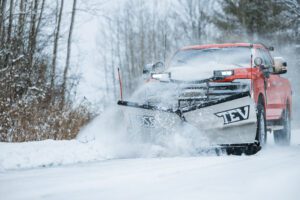
When winter weather hits, snow removal contractors and fleet operators depend on their equipment to perform reliably. A malfunctioning snow plow can delay jobs, increase operating costs, and leave crews struggling to keep up with demanding schedules. That’s why routine maintenance is essential for keeping snow removal equipment ready for winter conditions.
Professional BOSS snow plow maintenance involves more than inspecting the blade and checking hydraulic fluid. A comprehensive service should evaluate the hydraulic system, electrical components, cutting edges, mounting hardware, and other critical parts. Understanding what professional maintenance includes can help equipment owners reduce unexpected downtime and extend the useful life of their plows.
Hydraulic System Inspections and Fluid Maintenance
The hydraulic system is responsible for raising, lowering, and positioning the snow plow blade. If hydraulic components become worn, contaminated, or damaged, the plow may respond slowly, move inconsistently, or stop functioning altogether.
During professional BOSS plow maintenance, technicians should inspect hydraulic hoses, fittings, cylinders, and connections for signs of leaks, deterioration, or physical damage.
Hydraulic fluid condition and level should also be evaluated according to the manufacturer’s recommendations. Contaminated or degraded fluid can affect hydraulic performance, especially when equipment operates in freezing temperatures.
Important hydraulic maintenance tasks may include:
- Checking fluid levels and inspecting for contamination
- Examining hoses and fittings for leaks or wear
- Inspecting hydraulic cylinders and seals
- Testing blade lifting and angling functions
- Checking for unusual pump noises or slow operation
- Verifying system performance under normal operating conditions
Hydraulic maintenance requirements can vary depending on the specific BOSS plow model. Technicians should follow the applicable service procedures and use manufacturer-approved fluids and replacement components.
Addressing hydraulic problems before winter can help reduce the likelihood of equipment failures during active snow removal operations.
Electrical Connections, Controls, and Mounting Systems
Modern BOSS snow plows rely on electrical systems to operate hydraulic functions, lighting, and controls. Exposure to moisture, road salt, and vibration can contribute to corrosion, loose connections, and damaged wiring.
Professional BOSS snow plow service should include an inspection of wiring harnesses, electrical connectors, grounds, and control components. Technicians should look for damaged insulation, corrosion, loose terminals, and other conditions that could interfere with electrical performance.
Plow lighting should also be tested to confirm proper operation. Faulty headlights, turn signals, or other required lighting can create visibility and safety concerns during winter operations.
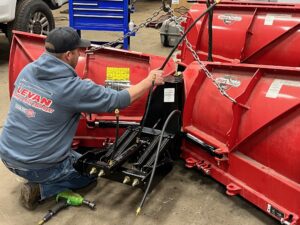
Mounting hardware is another critical inspection point. The attachment system must securely connect the plow assembly to the truck while allowing the equipment to function as designed.
Technicians should examine mounting brackets, pins, fasteners, and attachment points for wear, damage, or looseness. Components should be checked and tightened according to manufacturer specifications.
Regular inspections can help identify developing problems before they result in an unexpected detachment issue or equipment malfunction.
Cutting Edges, Blade Components, and Operational Testing
The cutting edge experiences significant wear because it makes direct contact with pavement, gravel, and other surfaces during snow removal.
As the cutting edge wears down, plowing performance may decline, and additional stress can be placed on other blade components. Professional maintenance should include measuring cutting-edge wear and determining whether replacement is necessary.
Technicians should also inspect the moldboard, trip springs, pivot points, and related hardware for signs of damage, corrosion, or excessive wear.
Depending on the plow model, service may include checking:
- Cutting-edge thickness and wear patterns
- Blade alignment and structural condition
- Trip mechanisms and spring tension
- Pivot points and moving components
- Fasteners, pins, and retaining hardware
- General lubrication requirements
A complete maintenance appointment should conclude with operational testing. Technicians should verify that the plow raises, lowers, angles, and responds correctly to its controls.
If problems are discovered, professional BOSS snow plow repair can help restore equipment functionality before winter conditions place additional demands on the system.
Professional snow plow maintenance helps identify worn components, hydraulic problems, electrical faults, and mounting-system issues before they interrupt winter operations. Regular inspections and timely repairs can support reliable equipment performance throughout the snow removal season. Levan Machine & Truck Equipment serves contractors, businesses, and fleet operators with professional snow plow equipment services. Do not wait until the next snowstorm to discover a problem with your plow. Contact us today to discuss your snow plow maintenance and repair needs and prepare your equipment for the winter season.