Hydraulic systems are essential to the performance of many work trucks, powering critical components such as dump bodies, liftgates, crane bodies, and hoists. When these systems begin to fail, productivity can quickly decline, and in some cases, safety can be compromised. For operators, recognizing early warning signs and scheduling timely hydraulic services can prevent costly breakdowns and extend equipment life. Understanding how hydraulic issues develop and how they are diagnosed can help keep your fleet operating efficiently.
Loss of Power or Slow System Response
One of the most common indicators that hydraulic service is needed is a noticeable decline in system performance. If your dump body lifts more slowly than usual, a crane struggles under normal loads, or a liftgate hesitates during operation, these are clear signs of hydraulic inefficiency.
This type of issue is often linked to problems within the hydraulic pump, fluid system, or pressure regulation components. For example, a worn or failing hydraulic pump may not generate sufficient pressure to operate the system effectively. Low hydraulic fluid levels or degraded fluid can also reduce system responsiveness.
Technicians performing hydraulic services typically begin diagnosis by measuring system pressure and flow rates. By comparing these readings to manufacturer specifications, they can determine whether the issue originates from the pump, valves, or internal system restrictions. Addressing performance issues early helps prevent additional strain on components, reducing the risk of more extensive damage.
Fluid Leaks and Contamination
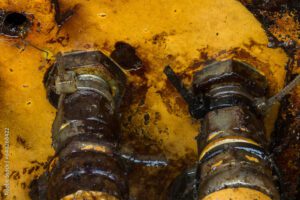
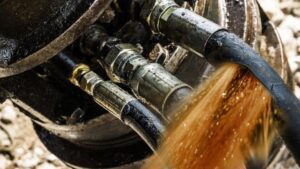
Hydraulic systems rely on sealed environments to maintain pressure and performance. Any visible fluid leak is a sign that the system requires immediate attention. Leaks may appear around hoses, fittings, cylinders, or seals, and even small leaks can lead to significant performance loss over time.
In addition to external leaks, contamination within the hydraulic fluid can cause serious internal damage. Dirt, moisture, and metal particles can enter the system through worn seals or improper maintenance practices. Contaminated fluid reduces lubrication, accelerates wear, and can damage pumps, valves, and cylinders.
During professional hydraulic services, technicians inspect fluid condition, check for contamination, and evaluate filtration systems. Fluid analysis may be used to identify the presence of debris or chemical breakdown. Routine maintenance, including fluid replacement and system flushing, is critical for preserving the integrity of hydraulic components. Ignoring contamination issues can lead to complete system failure and costly repairs.
Unusual Noises and Overheating
Hydraulic systems typically operate with consistent and predictable sound levels. Unusual noises such as whining, grinding, or knocking, often indicate internal issues. These sounds may result from air entering the system, cavitation within the pump, or worn internal components.
Overheating is another warning sign. Hydraulic systems generate heat during operation, but excessive temperatures can indicate inefficiencies such as restricted fluid flow, overworked components, or insufficient cooling. High temperatures accelerate fluid breakdown and increase the risk of component failure.
Technicians diagnosing these issues during hydraulic services will inspect system pressures, evaluate cooling performance, and check for air intrusion or blockages. Identifying the root cause of noise or overheating early can prevent more serious mechanical failures.
At Levan Machine & Truck Equipment, our experienced technicians provide comprehensive hydraulic diagnostics, repair, and maintenance services for work trucks. If you are noticing performance issues or want to prevent future failures, contact us today to schedule service and keep your equipment operating at peak efficiency.